Marigold Butterfly: A Handwritten Typeface for Digital Branding
In the crowded landscape of modern web design, establishing an immediate emotional connection with visitors is paramount. As digital product creators and UI designers, we often rely on clean sans serif fonts for body copy to ensure maximum readability, but the soul of a brand frequently lives in its headings. This is where Marigold Butterfly steps in as a transformative tool. Developed by Script Amp, this unique and elegant handwritten font offers the personalized touch that sterile geometric typefaces simply cannot replicate. When integrating a new typeface into a workflow, the goal is not just aesthetic appeal but functional versatility across hero sections, landing pages, and branded web experiences.
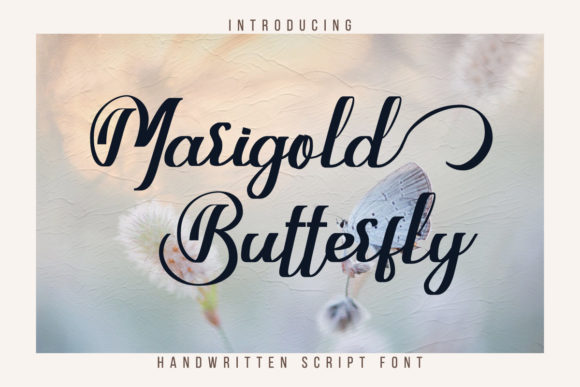
Marigold Butterfly possesses a distinct personality that bridges the gap between casual handwriting and refined calligraphy. Its strokes flow with a natural rhythm, suggesting human involvement in the design process. For a web designer, this translates to a powerful asset for building trust. In an era where users are increasingly skeptical of automated, template-driven websites, a high-quality script font signals that a real person or a thoughtful team stands behind the product. The visual characteristics of Marigold Butterfly make it particularly effective for brands that wish to convey warmth, creativity, and approachability without sacrificing professionalism.
Elevating Visual Hierarchy in Web Layouts
The primary function of any display font in a digital environment is to establish a clear visual hierarchy. Marigold Butterfly excels in this role when used strategically for headlines, subheaders, and call-to-action elements. Because of its decorative nature, it naturally draws the eye, making it ideal for hero titles on landing pages where the objective is to capture attention within seconds. However, effective typography is about balance. Using Marigold Butterfly for long paragraphs would hinder scanning behavior and reduce comprehension. Instead, it should be reserved for short phrases, logo text, and decorative accents that guide the user through the content.
Consider a coaching website or a portfolio site for a creative entrepreneur. The hero section might feature a bold value proposition set in a sturdy sans serif font, while the supporting tagline or the designer's signature appears in Marigold Butterfly. This contrast creates a dynamic layout rhythm that keeps the user engaged. The font's elegance adds a layer of sophistication, elevating the perceived value of the service or product being offered. For online store owners, using this typeface on banner graphics or specific product highlights can create a boutique feel, distinguishing the shop from mass-market competitors.
Optimizing Readability Across Devices
One of the critical challenges in using script fonts for web design is maintaining legibility on smaller screens. Mobile responsiveness is non-negotiable, and a font that looks stunning on a 27-inch monitor can become an illegible scribble on a smartphone. Marigold Butterfly is designed with clarity in mind, but it still requires careful implementation. When deploying this font on mobile devices, it is essential to increase the font size significantly compared to standard body text. Adequate line height and letter spacing are also crucial to prevent the glyphs from overlapping or appearing cramped.
For buttons and small UI elements, caution is advised. While Marigold Butterfly can be used for primary call-to-action buttons to add a personal flair, it is best suited for short labels like "Join Us" or "Shop Now." For secondary navigation or dense information areas, pairing it with a highly readable sans serif or serif font ensures that the user experience remains frictionless. Additionally, contrast plays a vital role. This handwritten font performs exceptionally well on solid light or dark backgrounds. When placing text over image overlays, ensure there is sufficient contrast, perhaps by using a semi-transparent backdrop or a text shadow, to maintain the integrity of the delicate strokes.
Strategic Font Pairing for Brand Identity
No font exists in a vacuum; its impact is defined by how it interacts with other typefaces in your design system. Marigold Butterfly pairs beautifully with a variety of modern typography styles. For a clean, contemporary look, pair it with a neutral sans serif font for body copy. This combination allows the personality of the script to shine without competing for attention, creating a balanced editorial design suitable for blogs and course sales pages. Alternatively, for a more traditional or luxury brand identity, combining Marigold Butterfly with a classic serif font can evoke a sense of timeless elegance, perfect for wedding planners, high-end boutiques, or artisanal product lines.
The versatility of this typeface extends to various digital assets beyond the website itself. It is an excellent choice for social media graphics, email headers, and digital ads where brand consistency is key. By using Marigold Butterfly consistently across these touchpoints, you reinforce brand recognition. Users begin to associate the specific flow and style of the letters with your brand voice, creating a cohesive online identity that feels intentional and polished.
Technical Features and Licensing Considerations
From a technical standpoint, Marigold Butterfly is built for modern design workflows. A standout feature is its PUA (Private Use Area) encoding. This means that all glyphs, alternates, and ligatures are easily accessible through standard character maps without needing complex software or special keystrokes. For a UI designer working in Figma or Adobe XD, this streamlines the process of customizing logos and headlines, allowing for quick experimentation with different letter combinations to achieve the perfect look.
When incorporating Marigold Butterfly into client projects or commercial products, understanding licensing is essential. As a premium font from Script Amp, it comes with specific terms regarding commercial use. Whether you are designing a SaaS landing page, a digital template for sale, or branding assets for an online store, ensuring you have the appropriate commercial font license protects both you and your client. Always verify the included file formats and webfont availability to ensure seamless integration into your CSS stack. Proper licensing not only adheres to legal standards but also supports the creators who develop these vital design assets.
Ultimately, the choice of typography can make or break a digital experience. Marigold Butterfly offers a rare combination of artistic flair and functional utility. It allows designers to inject humanity into digital interfaces, fostering a deeper connection with users. By respecting its limitations regarding readability and leveraging its strengths in branding and hierarchy, you can create web experiences that are not only visually striking but also deeply effective in conveying your brand's unique story.